Jarrah Cladding
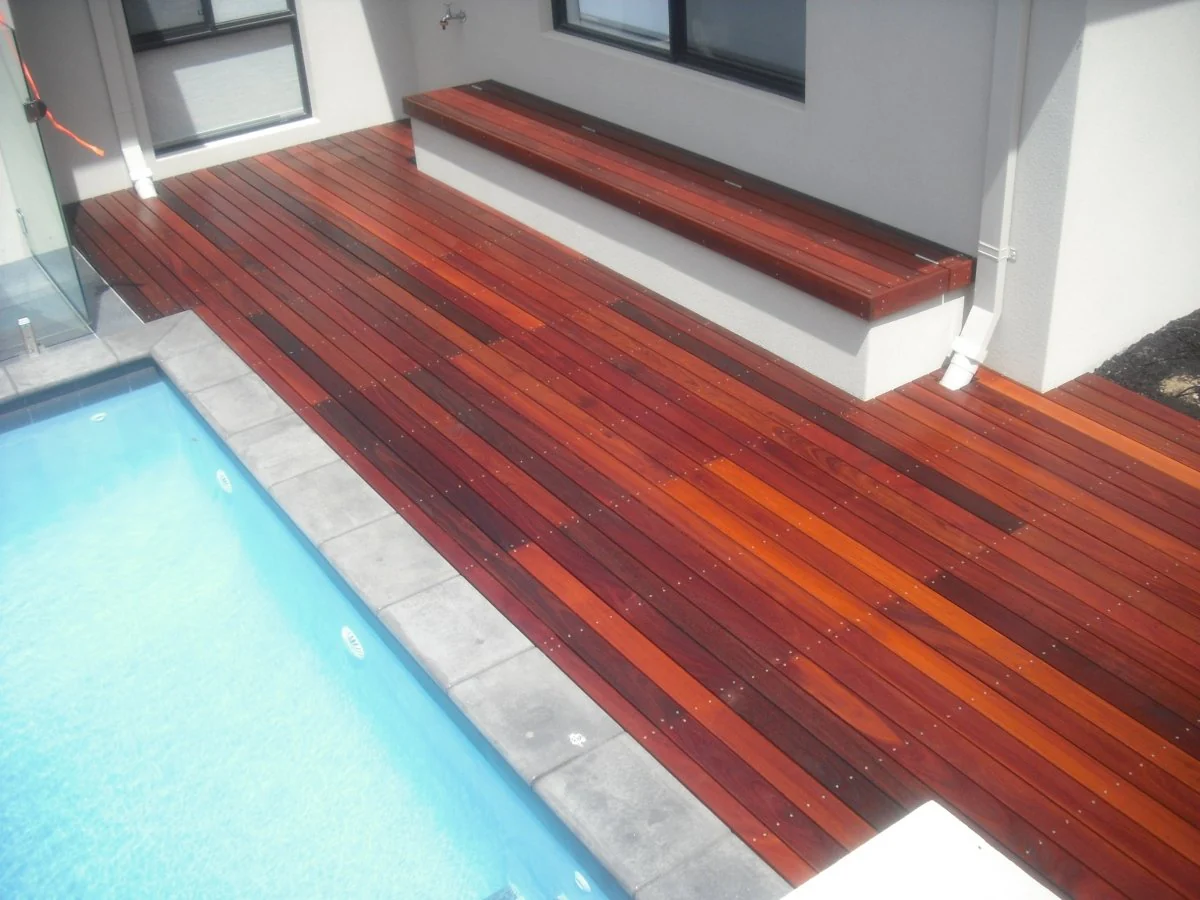
For a cladding with genuine presence, little rivals the deep, glowing red of Jarrah. Supplied by JVS Timber, Jarrah is Western Australia’s iconic hardwood — a dense, richly coloured eucalypt whose heartwood ranges from salmon-red and brick tones to a mature, soft burgundy. Beautiful, naturally durable and resistant to termites, decay and even marine borers, Jarrah is a premium cladding choice that lends a building warmth, depth and a sense of permanence. Today, most Jarrah is supplied from recycled and salvaged stock following the end of commercial native harvesting in Western Australia, which makes it both a sustainable and a genuinely characterful choice. Request a free quote from the JVS Timber team and we will confirm profiles, grades, sizes and current availability.
Western Australia’s Iconic Red Hardwood
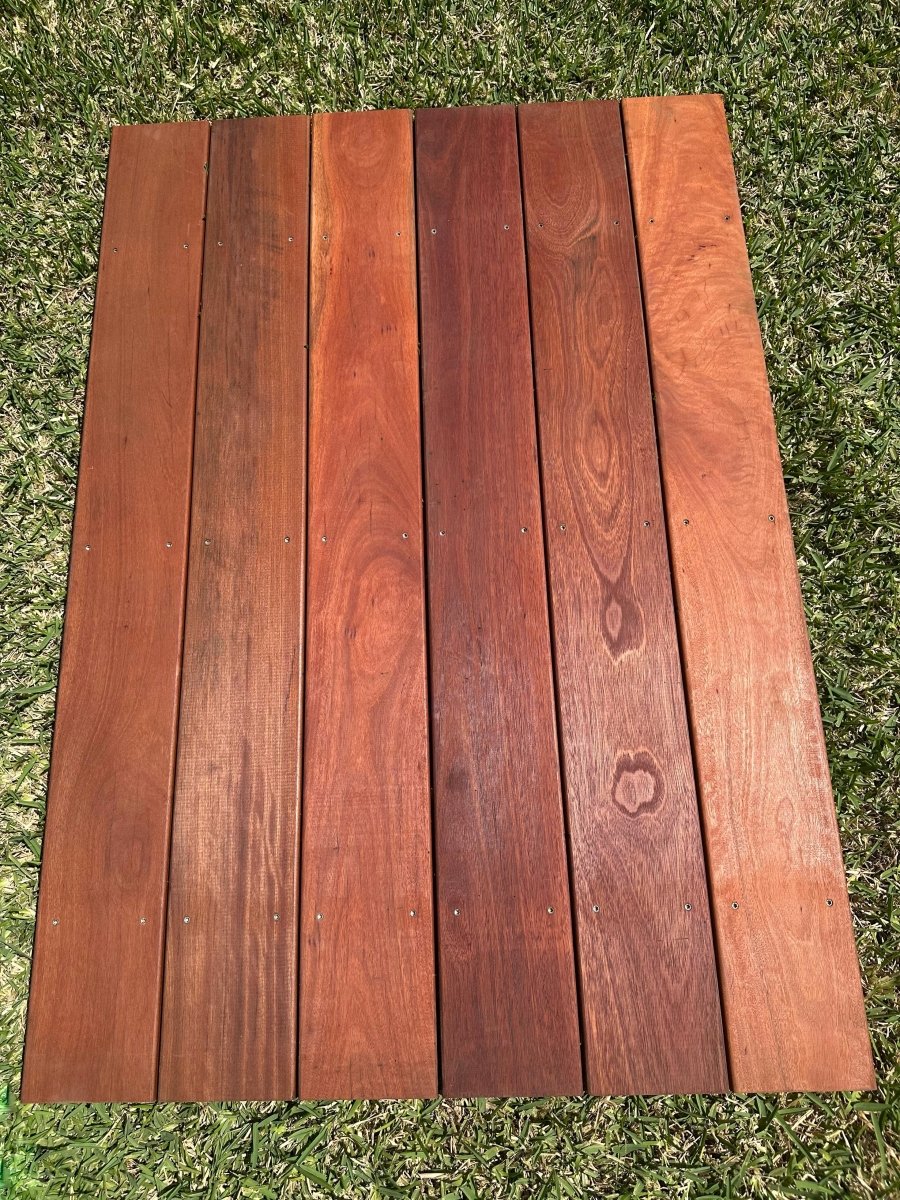
Jarrah (Eucalyptus marginata) grows only in the south-west corner of Western Australia, from the ranges east of Perth down to Albany. Its heartwood is famous for colour — fresh salmon-pink to brick-red tones that deepen over decades into a rich burgundy and mahogany — contrasting with a much paler yellow-to-orange sapwood. The grain is usually straight but often interlocked or wavy, sometimes producing a sought-after fiddleback figure, with a moderately coarse, even texture and occasional gum veins that add to its character. Jarrah is dense and durable. With a Janka hardness around 8.5 kN and an air-dry density near 820 kg/m³, it is rated Durability Class 2 above ground (an expected service life of 15 to 40 years exposed) and is naturally resistant to termites, decay and marine borers — an unusual combination that has long made it valued for demanding outdoor and coastal use. As of 1 January 2024, commercial native-forest logging ended in WA, so today’s Jarrah is supplied largely from recycled, salvaged and salvage-thinning sources, which has tightened supply and made it a premium, characterful timber. Note the sapwood is lyctid-susceptible.
Why Choose Jarrah Cladding
Iconic Deep-Red Colour
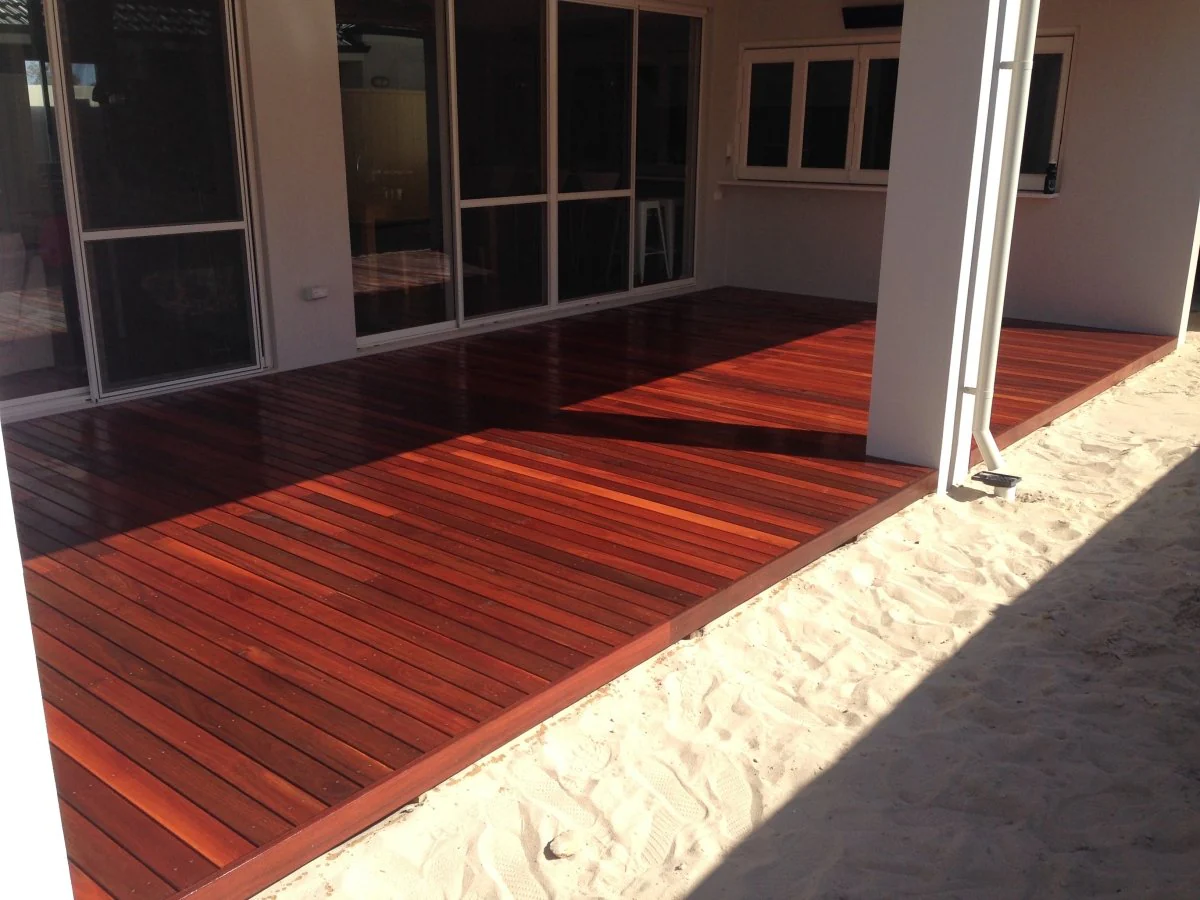
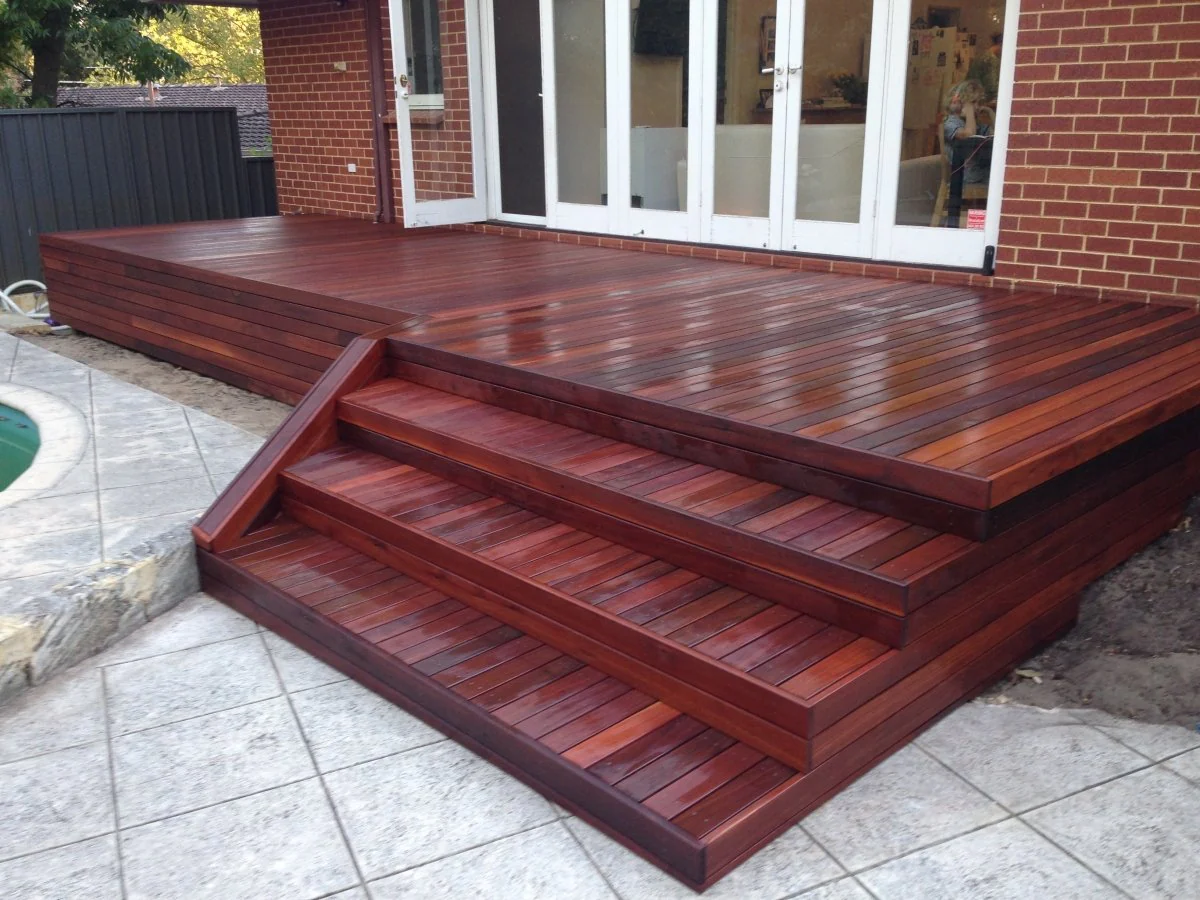
Jarrah’s heartwood glows from salmon and brick-red through to mature burgundy and mahogany, deepening with age. Few cladding timbers offer this depth and warmth of colour — it is unmistakably Jarrah.
Naturally Durable and Insect Resistant
Rated Durability Class 2 above ground, Jarrah is naturally resistant to termites, decay and even marine borers — a rare combination that makes it exceptionally well suited to exposed and coastal cladding.
Dense and Hard-Wearing
With a density near 820 kg/m³ and a Janka hardness around 8.5 kN, Jarrah is a hard, robust timber that resists wear and lends cladding genuine substance and longevity.
Recycled & Sustainable Supply
With WA native harvesting ended, today’s Jarrah comes largely from recycled and salvaged timber — an environmentally responsible choice that also carries the character and patina of its previous life.
Premium, Characterful Figure
Straight to interlocked and wavy grain, occasional fiddleback figure and natural gum veins give Jarrah cladding a refined, individual character that suits both heritage and contemporary designs.
Good Dimensional Stability
Well-seasoned Jarrah is known for relatively good stability in service, resisting severe warping and cupping when correctly installed and maintained.
Technical Specifications
Botanical name
Eucalyptus marginata
Heartwood colour
Salmon/brick-red maturing to deep burgundy and mahogany; pale sapwood
Natural durability
Class 2 above ground (approx. 15–40 years exposed)
Janka hardness
approx. 8.5 kN
Density (seasoned)
approx. 820 kg/m³
Termite resistance
Naturally resistant; also resists decay & marine borers; sapwood lyctid-susceptible
Bushfire rating
Largely recycled/salvaged (WA native harvesting ended Jan 2024)
Grain & texture
Straight to interlocked/wavy grain, moderately coarse even texture
Typical applications
External cladding, decking, flooring, joinery, feature walls
Where Jarrah Cladding Performs Best
Premium external cladding where deep, warm red colour is the design centrepiece.
Coastal and exposed facades that benefit from Jarrah’s decay and marine-borer resistance.
Heritage, restoration and character projects where recycled Jarrah suits the aesthetic.
Contemporary homes seeking a rich, distinctive timber facade.
Internal feature walls and lining showcasing Jarrah’s colour and figure.
Mixed schemes carrying Jarrah through cladding, decking and joinery.
Jarrah Cladding Profiles & Grades
Jarrah cladding can be supplied in a choice of popular profiles to suit the look you are after — from crisp shiplap and tongue-and-groove boards that create clean, contemporary shadowlines, through splayed weatherboard and board-on-board profiles for a more traditional feel, to square-edge and channel profiles for a modern, linear aesthetic. Cover width has a big impact on the finished look: narrower boards read as fine and detailed, while wider boards give a bolder, more streamlined facade. Our team can talk through the options and help you choose the profile and width that best suit your design and budget. Grade is the other key choice. Cleaner, lower-feature grades give a calm, uniform appearance, while character or feature grades showcase the natural colour variation, grain and markings that make Jarrah distinctive. Because timber is a natural product, every board is unique, so we recommend reviewing a current sample or batch before committing to a large order. Tell us the profile, width and grade you are leaning towards and we will confirm what is available and provide samples where possible.
Get Your Free Quote
Working With and Maintaining Jarrah
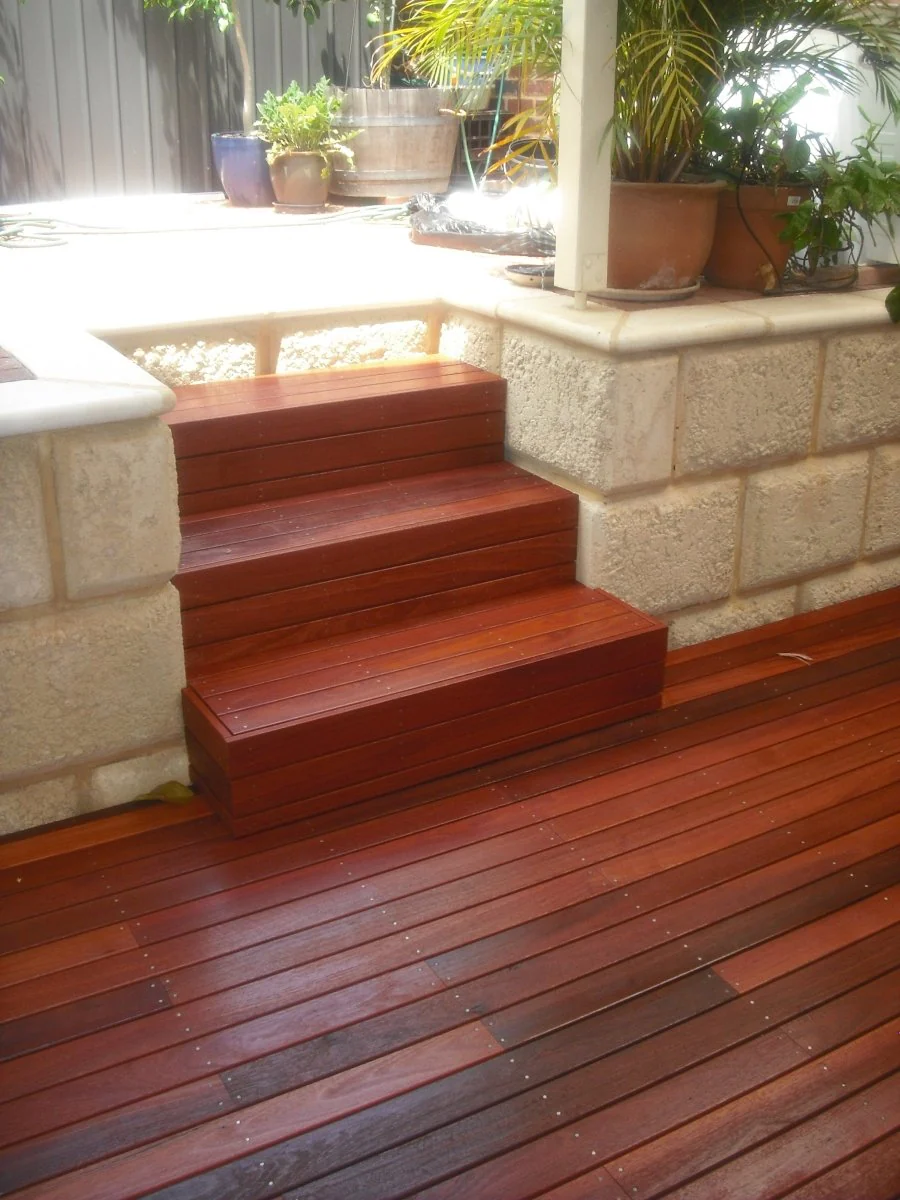
Jarrah is dense, so pre-drill near board ends to prevent splitting and use quality fixings (stainless steel near the coast). Recycled Jarrah should be checked for old fixings and de-nailed before machining. Fix cladding over battens with a drained, ventilated cavity, detail to shed water, and seal cut ends. Specify heartwood, or treated sapwood, given the sapwood’s lyctid susceptibility. To hold Jarrah’s rich red tones, finish with a quality UV-stabilised exterior coating or oil and re-apply periodically; without protection the colour will soften and the surface will eventually silver off, though the timber remains durable. Recycled Jarrah may carry surface character and patina from its previous use — part of its appeal — and benefits from light preparation before coating.
Get Your Free QuoteSustainable & Ethically Sourced
Jarrah is now sourced largely from recycled, salvaged and salvage-thinning stock following the end of WA commercial native harvesting, making it one of the most environmentally responsible premium hardwoods available. JVS Timber supplies Jarrah compliant with Australian industry standards; choosing a recycled, durable timber that lasts for decades is a genuinely sustainable decision. Availability is limited, so confirm stock early.
Get Your Free Quote
Jarrah Sizes & Availability
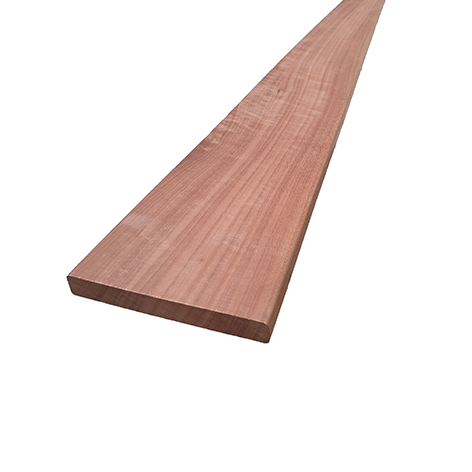
JVS Timber supplies Jarrah cladding in a choice of profiles and grades, drawn largely from recycled and salvaged stock, in a range of widths and lengths. Because supply is now limited and in demand, we strongly recommend confirming availability early in your project timeline so we can reserve, prepare and schedule delivery to your site Australia-wide. Tell us your profiles, sizes and quantities and we will confirm current stock and competitive trade pricing.
Get Your Free QuoteJarrah Cladding — Frequently Asked Questions
Commercial native-forest logging in Western Australia ended on 1 January 2024, so new-growth Jarrah is no longer generally available. Today’s Jarrah comes largely from recycled, salvaged and salvage-thinning sources — which makes it both sustainable and full of character, though supply is more limited.
Jarrah ranges from fresh salmon and brick-red tones to a deep, mature burgundy and mahogany that develops over time. It is one of the richest red cladding timbers available, and coating with a UV-stabilised finish helps preserve the colour.
Yes — Jarrah is naturally resistant to decay, termites and even marine borers, which makes it well suited to exposed and coastal applications. Use stainless steel fixings near the coast and maintain a protective finish.
Recycled Jarrah should be checked for and cleared of old fixings (de-nailed) and may need light surface preparation before coating. Its existing patina and character marks are part of its appeal as a recycled timber.
Jarrah is rated Durability Class 2 above ground, with an expected service life of roughly 15 to 40 years exposed, extended by good detailing, ventilation and a maintained finish. Its natural resistance to decay and insects underpins this performance.
Yes. Tell us the profile, cover width, grade and quantity you are after, along with your delivery location, and the JVS Timber team will confirm current stock, provide a sample where possible and quote competitive trade pricing with delivery Australia-wide. In short, Jarrah is a quality choice for the right application — our team is happy to help you confirm the profile, grade, finish and quantity, and to advise on whether it best suits external cladding or internal lining for your project, climate and budget. Reach out for current availability, samples and trade pricing.
Want rich, sustainable Jarrah cladding?
Tell us your profiles, grades, sizes and quantities, plus your delivery location, and the JVS Timber team will confirm current Jarrah availability and competitive trade pricing, delivered Australia-wide.