Blackbutt Cladding
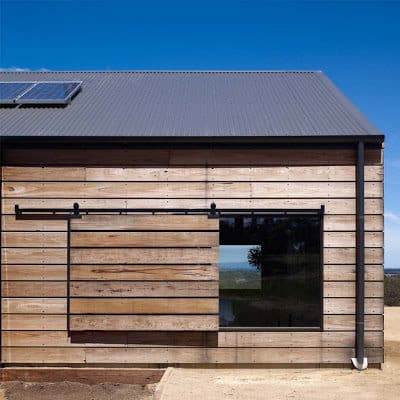
For a timber cladding that combines a clean, contemporary look with genuine durability and bushfire performance, Blackbutt is hard to beat. Supplied by JVS Timber, Blackbutt is one of Australia’s most popular and versatile hardwoods — a pale, golden-brown eucalypt with a straight, even grain that gives facades a crisp, modern, light-filled appearance. Behind that clean look sits a Class 1 durable, naturally termite-resistant timber rated for use in bushfire-prone areas, making Blackbutt a board you can specify with complete confidence. Whether you are cladding a coastal home, a contemporary new build, a commercial frontage or an internal feature wall, Blackbutt delivers warmth and longevity in equal measure. Request a free quote from the JVS Timber team and we will confirm profiles, grades, sizes and availability for your project.
A Clean, Durable Australian Classic
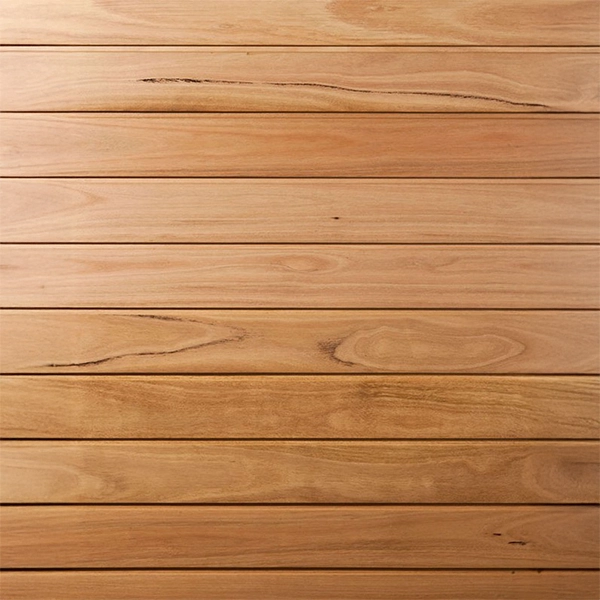
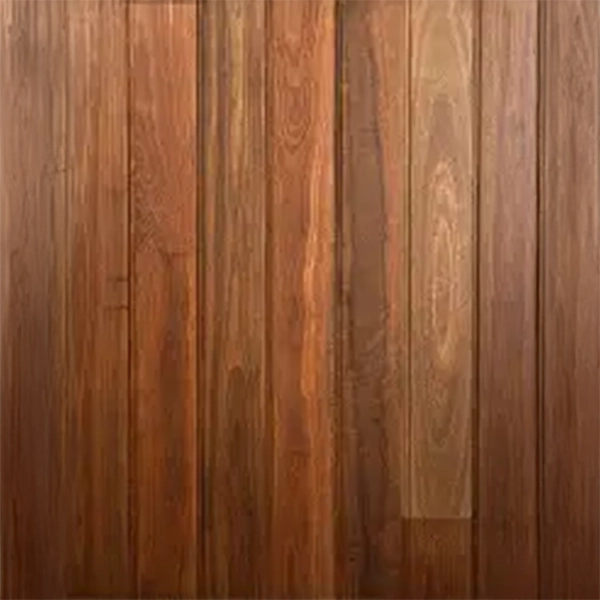
Blackbutt (Eucalyptus pilularis) grows along the coastal forests of New South Wales and southern Queensland, and takes its name from the way bushfire blackens the base of the trunk while the timber above remains pale and clean. The heartwood ranges from golden yellow to pale brown, sometimes with a subtle pinkish tinge, with a generally straight grain, even texture and the occasional small gum vein. That pale, uniform appearance is a large part of Blackbutt’s appeal — it suits the light, neutral palettes favoured in contemporary and coastal architecture and pairs beautifully with render, stone, metal and glass. Blackbutt is also a genuine performer. With a Janka hardness around 9.0 to 9.1 kN and an air-dry density near 900 kg/m³, it is rated Class 1 for above-ground durability — the top tier on the AS 5604 scale — and is naturally resistant to termites thanks to its dense heartwood. Importantly, its heartwood is not susceptible to lyctid (powderpost) borer, and it is one of the seven timbers recognised as bushfire-resisting under AS 3959, commonly approved up to BAL-29.
Why Choose Blackbutt Cladding
Class 1 Above-Ground Durability
Blackbutt is rated Durability Class 1 above ground, the highest tier on the AS 5604 scale, with naturally decay-resistant heartwood that performs reliably as external cladding in Australian conditions for decades with appropriate care.
BAL-29 Bushfire Performance
Blackbutt is one of just seven hardwoods recognised as bushfire-resisting timbers under AS 3959 and is commonly approved for use up to BAL-29, making it a sensible specification for cladding in bushfire-prone areas where many timbers are not permitted.
Clean, Contemporary Appearance
Its pale golden-to-light-brown colour, straight grain and even texture give facades a crisp, modern, light look that suits coastal and contemporary architecture and complements a wide range of materials and colour schemes.
Naturally Termite Resistant
Blackbutt’s dense heartwood is naturally resistant to termites, and unlike some hardwoods its heartwood is not susceptible to lyctid borer — a real advantage for long-term cladding performance.
Hard and Hard-Wearing
With a Janka hardness around 9 kN, Blackbutt resists knocks and surface damage, helping cladding keep its appearance over the long term, including at accessible ground-floor levels.
Versatile Indoors and Out
Equally at home as external wall cladding or an internal feature wall and ceiling lining, Blackbutt lets you carry a single, consistent timber look right through a building.
Technical Specifications
Botanical name
Eucalyptus pilularis
Heartwood colour
Golden yellow to pale brown, occasional pink tinge; paler sapwood
Natural durability
Class 1 above ground; Class 2 in ground
Janka hardness
approx. 9.0–9.1 kN
Density (seasoned)
approx. 900 kg/m³
Termite resistance
Naturally resistant (heartwood); not lyctid-susceptible
Bushfire rating
BAL-29 (bushfire-resisting timber under AS 3959; confirm per site)
Grain & texture
Straight grain, even texture, occasional gum veins
Typical applications
External cladding, internal lining, decking, flooring, joinery
Where Blackbutt Cladding Performs Best
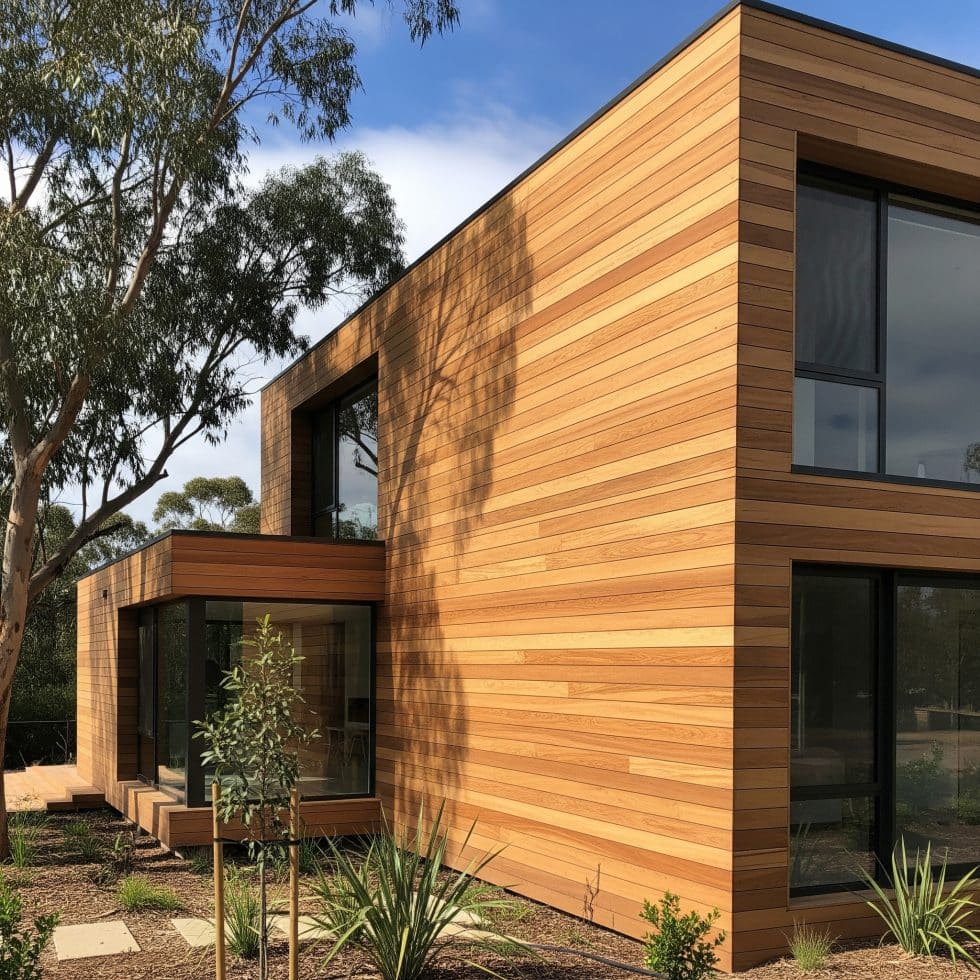
External wall cladding for contemporary and coastal homes seeking a pale, clean look.
Commercial and architectural facades where a light, modern timber finish is wanted.
Cladding in designated bushfire-prone areas up to BAL-29 (confirm per AS 3959).
Internal feature walls and ceiling lining for a bright, consistent timber aesthetic.
Projects combining timber with render, stone, metal or glass.
Mixed Blackbutt schemes carrying one timber through cladding, decking and flooring.
Blackbutt Cladding Profiles & Grades
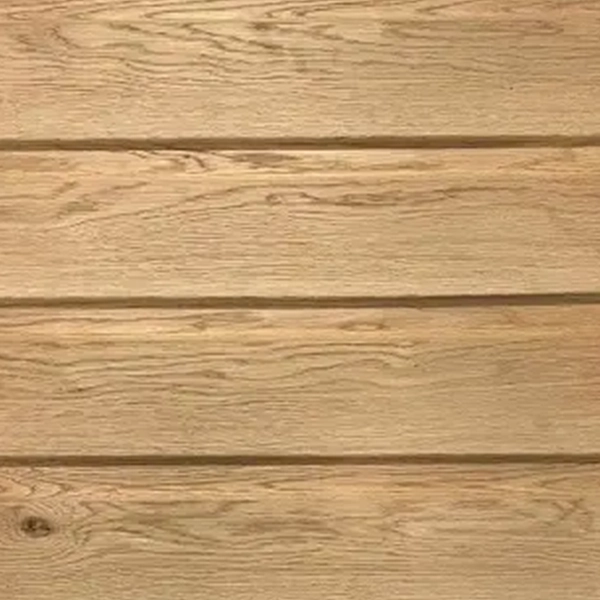
Blackbutt cladding can be supplied in a choice of popular profiles to suit the look you are after — from crisp shiplap and tongue-and-groove boards that create clean, contemporary shadowlines, through splayed weatherboard and board-on-board profiles for a more traditional feel, to square-edge and channel profiles for a modern, linear aesthetic. Cover width has a big impact on the finished look: narrower boards read as fine and detailed, while wider boards give a bolder, more streamlined facade. Our team can talk through the options and help you choose the profile and width that best suit your design and budget. Grade is the other key choice. Cleaner, lower-feature grades give a calm, uniform appearance, while character or feature grades showcase the natural colour variation, grain and markings that make Blackbutt distinctive. Because timber is a natural product, every board is unique, so we recommend reviewing a current sample or batch before committing to a large order. Tell us the profile, width and grade you are leaning towards and we will confirm what is available and provide samples where possible.
Get Your Free Quote
Working With and Maintaining Blackbutt
Blackbutt is dense, so pre-drill near board ends to prevent splitting and use quality fixings — stainless steel is recommended in coastal areas. Fix cladding over battens with a drained, ventilated cavity so air can move behind the boards, detail the work to shed water, and seal cut ends. Where a bushfire rating applies, follow AS 3959 requirements for the relevant BAL. To keep Blackbutt’s pale, golden tones, finish the cladding with a quality exterior coating or oil and re-apply periodically according to exposure. Left uncoated, it will weather to an attractive silver-grey while retaining its durability. Because the heartwood is naturally durable, no chemical treatment is needed for above-ground cladding, though good detailing and ventilation always extend service life.
Get Your Free QuoteSustainable & Ethically Sourced
JVS Timber sources Blackbutt from certified Australian producers and supplies product compliant with Australian industry standards. As a renewable native hardwood with Class 1 durability, Blackbutt is an inherently sustainable cladding choice — a facade that lasts for decades avoids the waste of early replacement. FSC-certified options are available on request.
Get Your Free Quote
Blackbutt Sizes & Availability
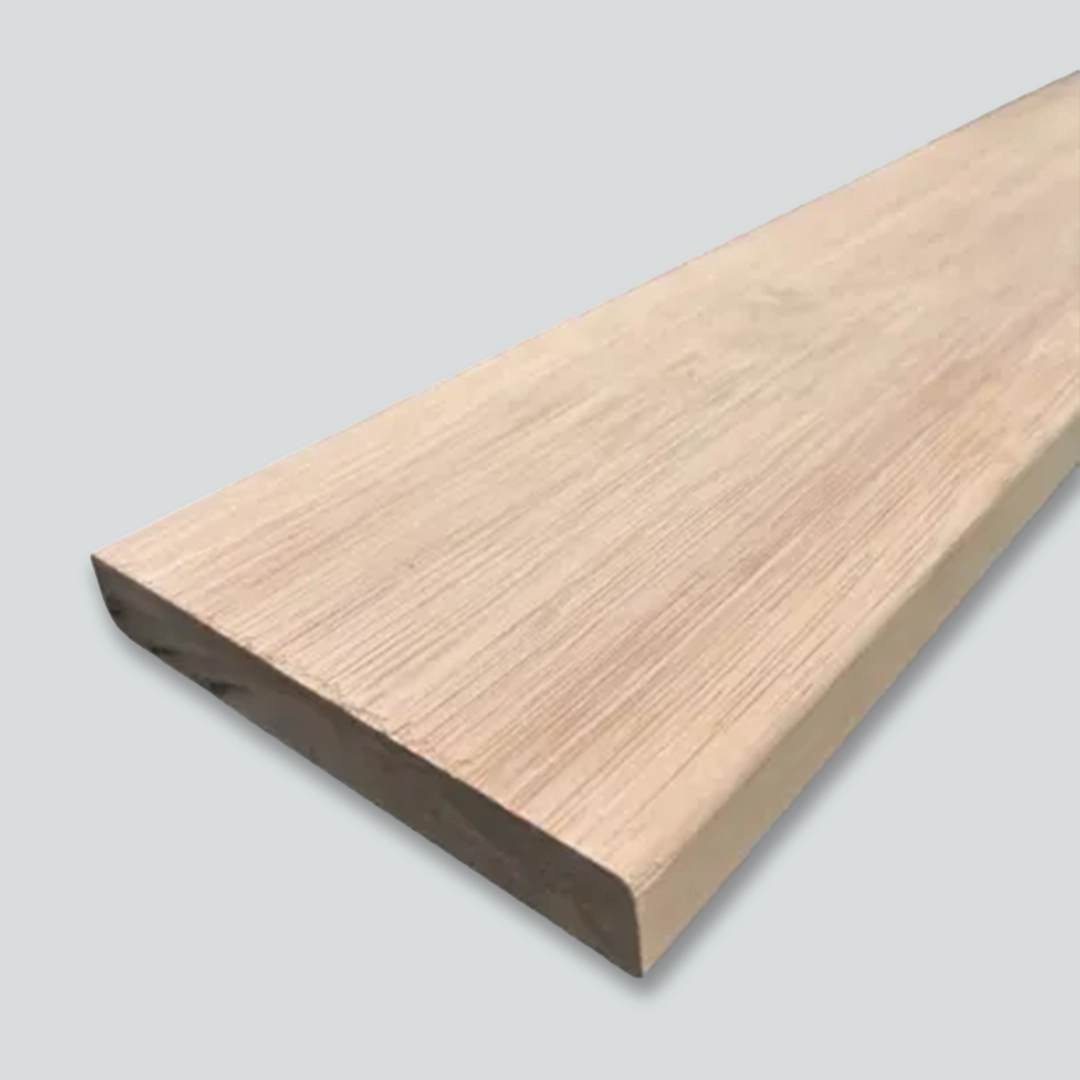
JVS Timber supplies Blackbutt cladding in popular profiles and grades to suit contemporary shadowline and traditional looks, in a range of cover widths and lengths. Whether you need a small quantity for a feature wall or bulk cladding for a full facade or commercial project, our team can confirm current stock, profiles, sizes and competitive trade pricing, delivered Australia-wide. As Blackbutt is an in-demand hardwood, we recommend confirming availability early so we can reserve and schedule delivery to your site.
Get Your Free QuoteBlackbutt Cladding — Frequently Asked Questions
Yes — Blackbutt is one of seven recognised bushfire-resisting timbers under AS 3959 and is commonly approved for use up to BAL-29, provided the board thickness and detailing meet the standard. Always confirm the specific BAL requirement for your site.
Blackbutt is pale, ranging from golden yellow to light brown, sometimes with a subtle pink tinge. Its straight grain and even texture give a clean, contemporary look. Left uncoated outdoors it weathers to a silver-grey; coating preserves the natural colour.
Yes. Blackbutt’s dense, Class 1 durable heartwood is naturally resistant to termites, and unlike some hardwoods it is not susceptible to lyctid borer — which is one reason it is so widely used for external cladding.
Because Blackbutt is dense, pre-drilling near board ends is recommended to prevent splitting, and quality fixings (stainless steel in coastal areas) should be used. Standard cavity cladding practice over battens applies.
Yes. Blackbutt is popular for internal feature walls and ceiling lining as well as external cladding, letting you carry a consistent pale timber look through both the inside and outside of a building.
Yes. Tell us the profile, cover width, grade and quantity you are after, along with your delivery location, and the JVS Timber team will confirm current stock, provide a sample where possible and quote competitive trade pricing with delivery Australia-wide. In short, Blackbutt is a quality choice for the right application — our team is happy to help you confirm the profile, grade, finish and quantity, and to advise on whether it best suits external cladding or internal lining for your project, climate and budget. Reach out for current availability, samples and trade pricing.
Want clean, durable Blackbutt cladding?
Tell us your profiles, grades, sizes and quantities, plus your delivery location, and the JVS Timber team will confirm Blackbutt availability and competitive trade pricing, delivered Australia-wide.