Elegant, Pale and Beautifully Stainable
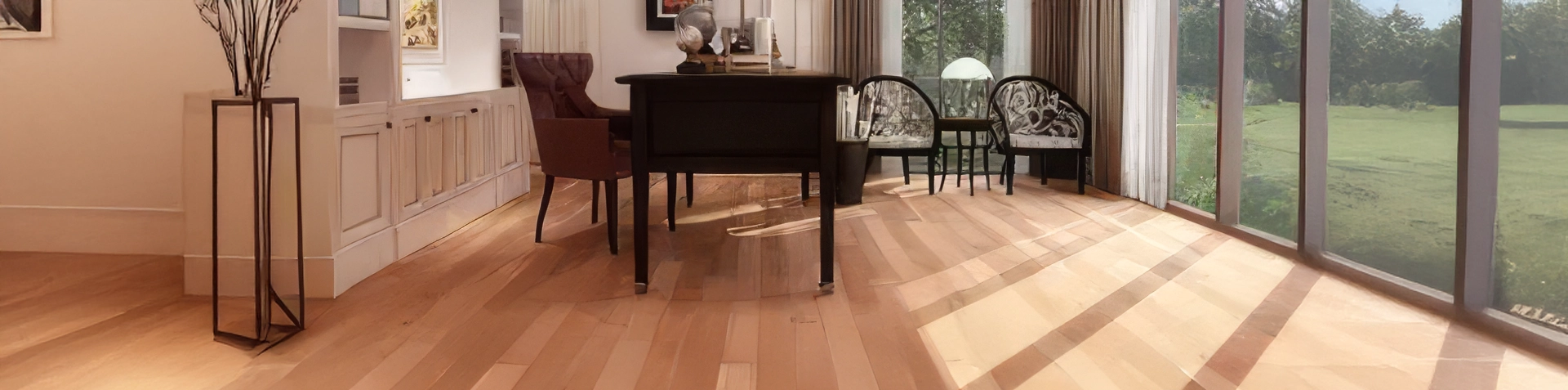
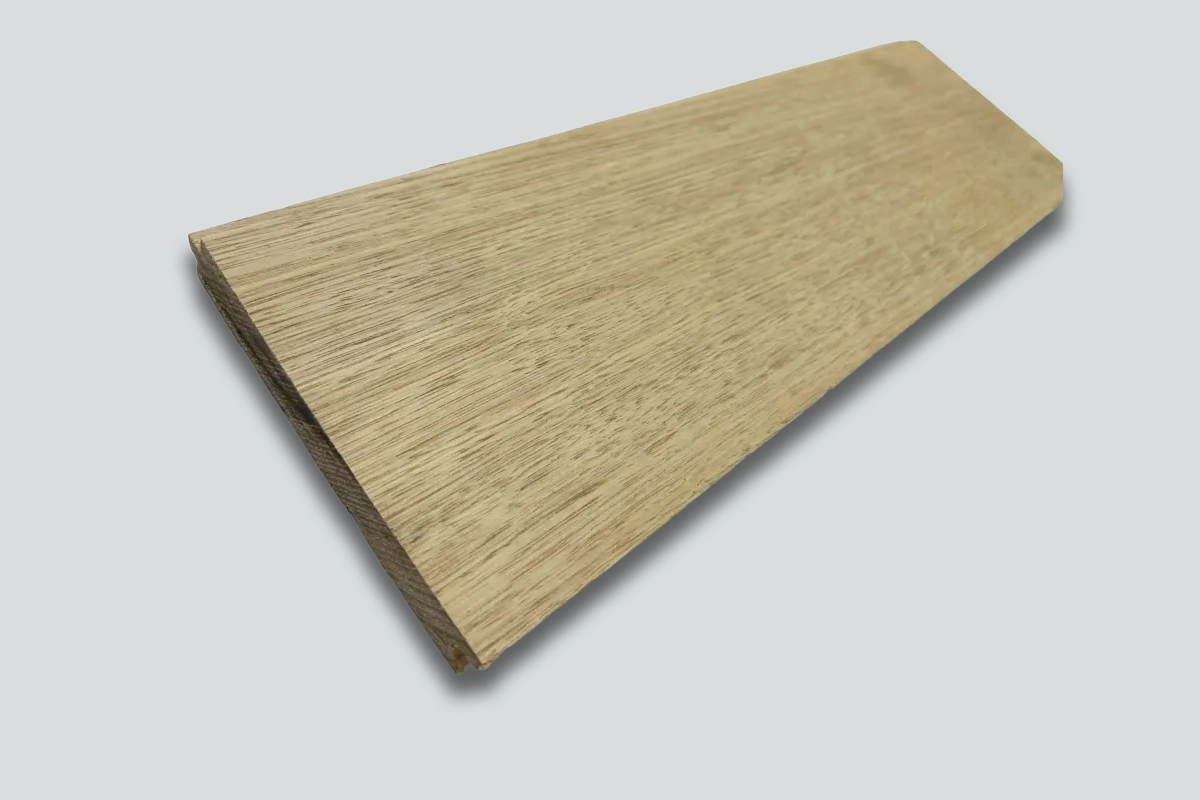
Tasmanian Oak is a trade name for three closely related eucalypts — Mountain Ash (Eucalyptus regnans), Alpine Ash (Eucalyptus delegatensis) and Messmate (Eucalyptus obliqua) — grown in south-eastern Australia and marketed together for their similar properties. Despite the name it has no relation to true (Quercus) oak; the name reflects its pale colour and clean grain. The timber ranges from pale straw to light reddish-brown with cream and pink intermediate shades, an open to moderately open texture, a generally straight grain and occasional subtle gum veins. Tasmanian Oak is renowned for its excellent staining and finishing qualities, readily matching other timbers, finishes and furnishings — a large part of its popularity for refined interiors. It is medium in density with a Janka hardness around 4.9 to 5.5 kN, and is valued for minimal movement once seasoned, which is why it is so widely used for stairs, joinery and doors. It is widely available and also used in F17 structural framing. It is lyctid-susceptible and is an interior joinery timber.
Grades, Selection & Movement
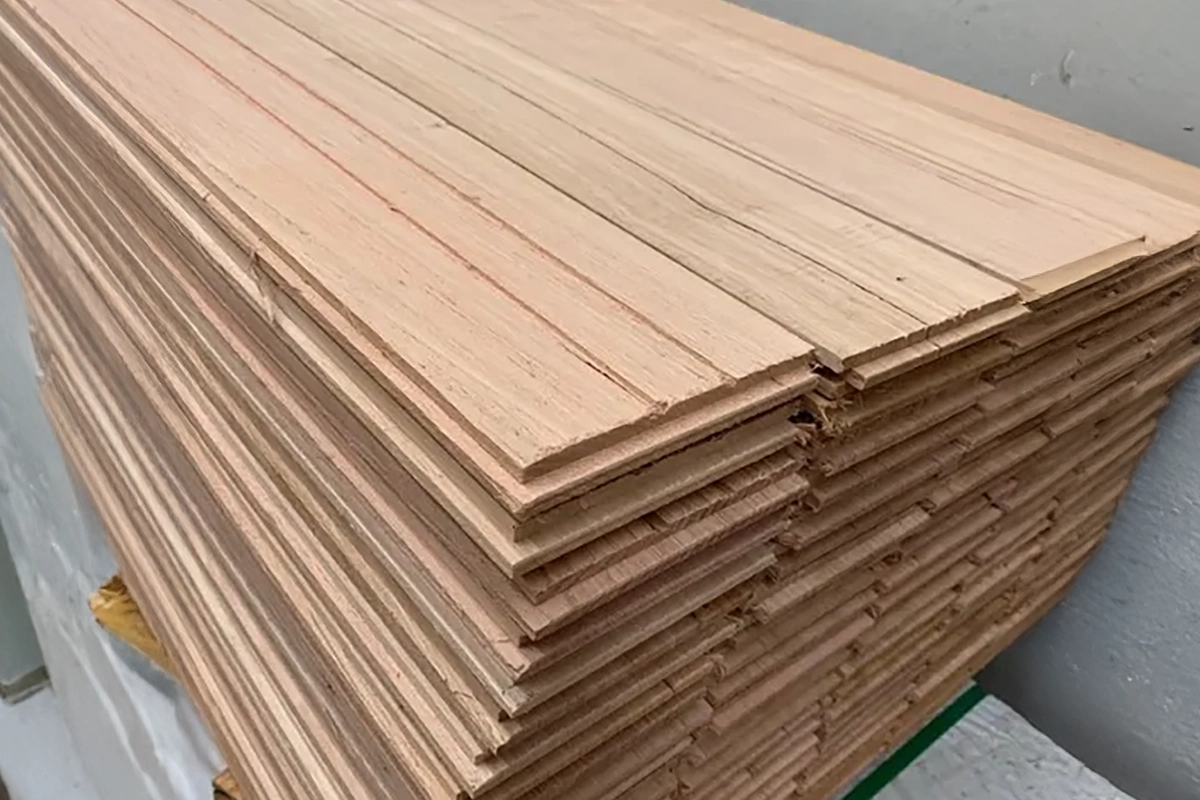
Tasmanian Oak can be supplied in different grades to suit the look you are after — cleaner, lower-feature selections for a calm, uniform appearance, or character grades that showcase the natural colour variation, grain and markings that make the timber distinctive. Because timber is a natural product, every board is unique, so for visible work it pays to lay boards out and select and arrange them for colour and grain before machining, composing the piece so that tops, doors and panels read the way you intend. We can supply to your preferred grade and, where possible, provide a sample so you know what to expect. Timber movement is the other key consideration in joinery. Tasmanian Oak should be allowed to acclimatise to the conditions of the room or workshop where it will live before it is machined and assembled, so that it reaches a stable moisture content first. Design and detail joints, frames and panels to accommodate the small seasonal movement that all solid timber undergoes, and finish all faces and edges — including undersides and backs — so moisture is taken up and released evenly and components stay flat and true. These simple habits are the difference between joinery that lasts and joinery that twists or splits. Finally, store and handle Tasmanian Oak well before and during the build. Keep boards flat, evenly supported and off the floor in a dry, well-ventilated space out of direct sun, and protect machined components and finished surfaces from knocks and moisture until installation. A little care in storage keeps the timber straight and the finished joinery looking its best.
Get Your Free Quote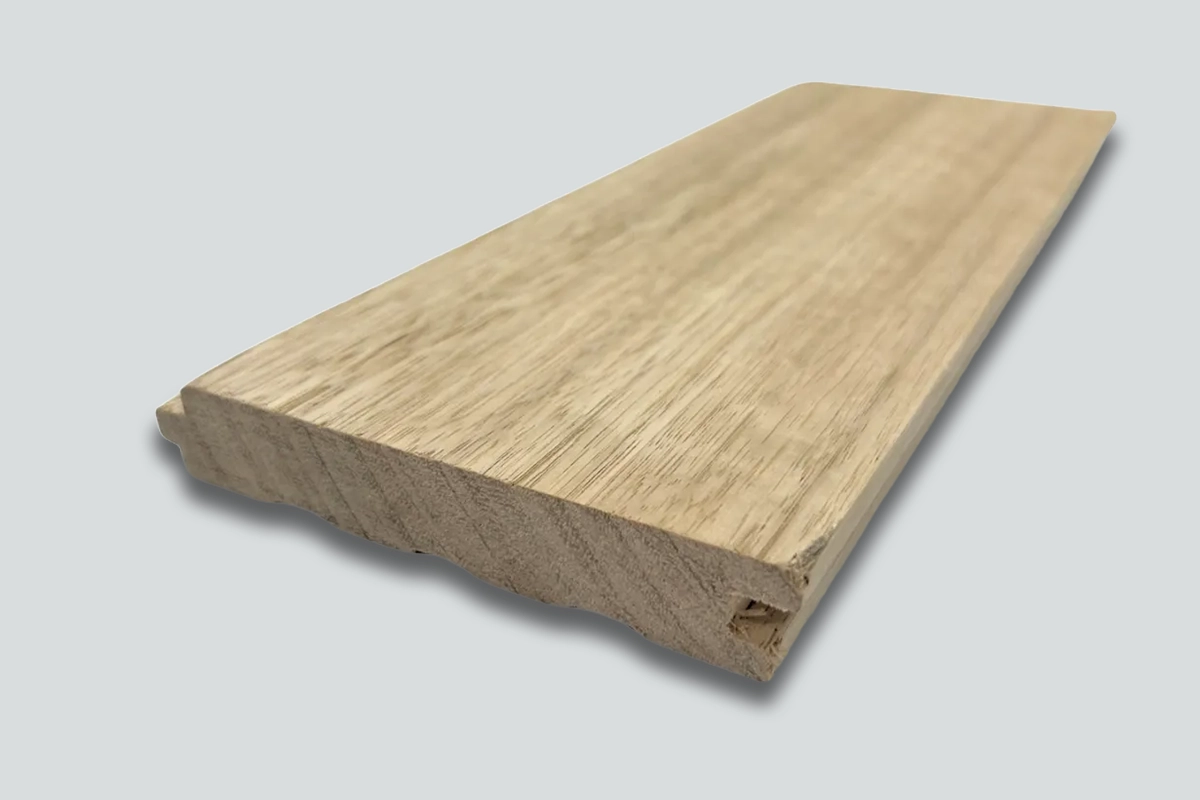
Working With and Finishing Tasmanian Oak
Tasmanian Oak is one of the most cooperative joinery hardwoods — it machines, glues, nails and screws well and holds crisp detail, making it ideal for stairs, doors and precise cabinetry. Its minimal movement once seasoned is a real advantage for components that must stay true. Let it acclimatise and work with sharp tooling for the cleanest results. Its standout quality is finishing: Tasmanian Oak takes stains and clear coatings exceptionally evenly, so you can achieve almost any tone and readily match other timbers and furnishings. Finish all faces and edges to balance moisture movement. As it is lyctid-susceptible and low in natural durability, keep it to interior joinery and treat where required.
Get Your Free QuoteSustainable & Ethically Sourced
JVS Timber sources Tasmanian Oak from certified producers, including sustainably managed forests and plantations, and supplies product compliant with Australian industry standards. As a renewable native hardwood, it is a responsible choice for refined interior joinery. FSC-certified options may be available on request.
Get Your Free Quote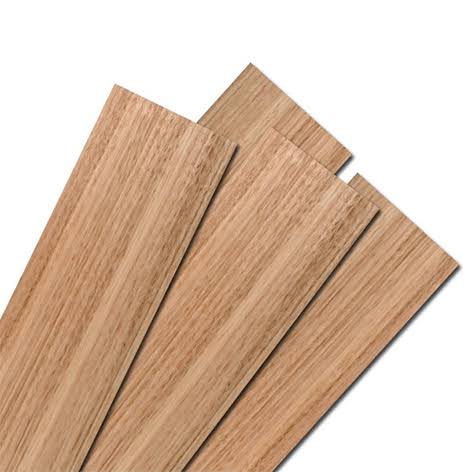
Tasmanian Oak Sizes & Availability
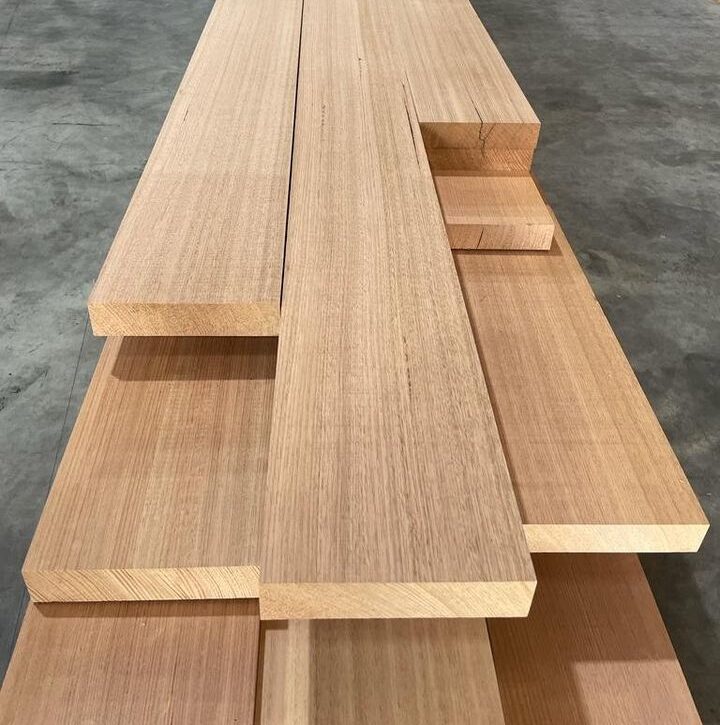
JVS Timber supplies Tasmanian Oak joinery hardwood dressed all round (DAR), sawn and in selected profiles, including staircase components, in a range of sections and lengths. Whether you need a small quantity or bulk timber for a fit-out, our team can confirm current stock, sizes, grades and competitive trade pricing, delivered Australia-wide.
Get Your Free Quote