Elegant, Pale and Beautifully Stainable
Tasmanian Oak is a trade name for three closely related eucalypts — Mountain Ash (Eucalyptus regnans), Alpine Ash (Eucalyptus delegatensis) and Messmate (Eucalyptus obliqua) — grown in the mountainous forests of Tasmania and south-eastern Australia and marketed together for their similar properties. Despite the name, it has no relation to true (Quercus) oak; the name reflects its pale colour and clean grain. The timber ranges from pale straw to light reddish-brown with intermediate cream and pink shades, with an open to moderately open texture, a generally straight grain and occasional subtle gum veins. Tasmanian Oak is renowned for its excellent staining and finishing qualities, readily matching other timbers, finishes and furnishings — which is a large part of its popularity for refined interiors. It is medium in density with a Janka hardness around 4.9 to 5.5 kN, and is widely used for F17 structural framing, flooring, joinery, stairs and lining. Its natural durability is low, so as cladding it is best specified for internal lining and feature walls, or external use only where it is very well protected, coated and maintained. It is lyctid-susceptible and should be treated where required.
Tasmanian Oak Cladding Profiles & Grades
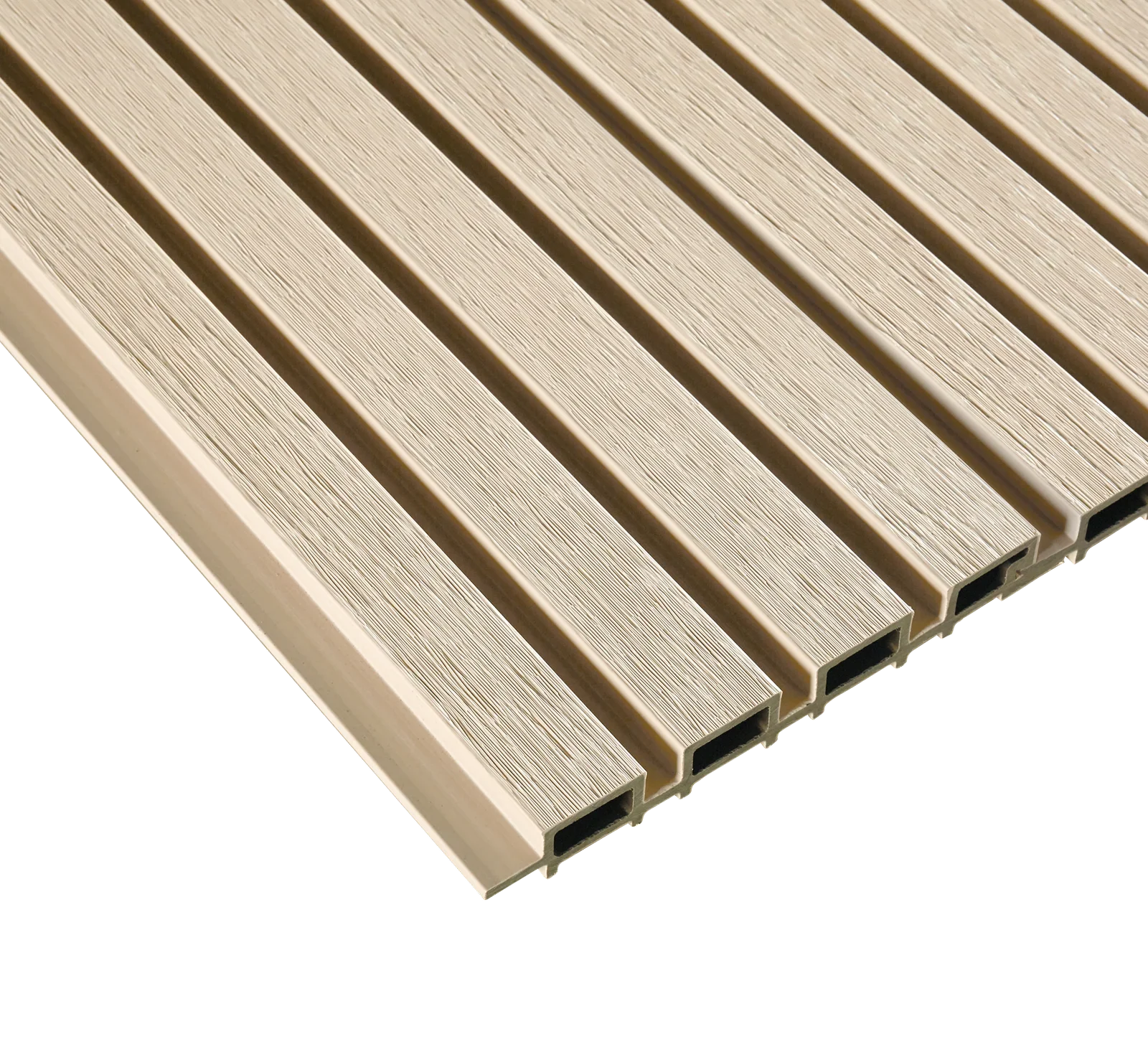
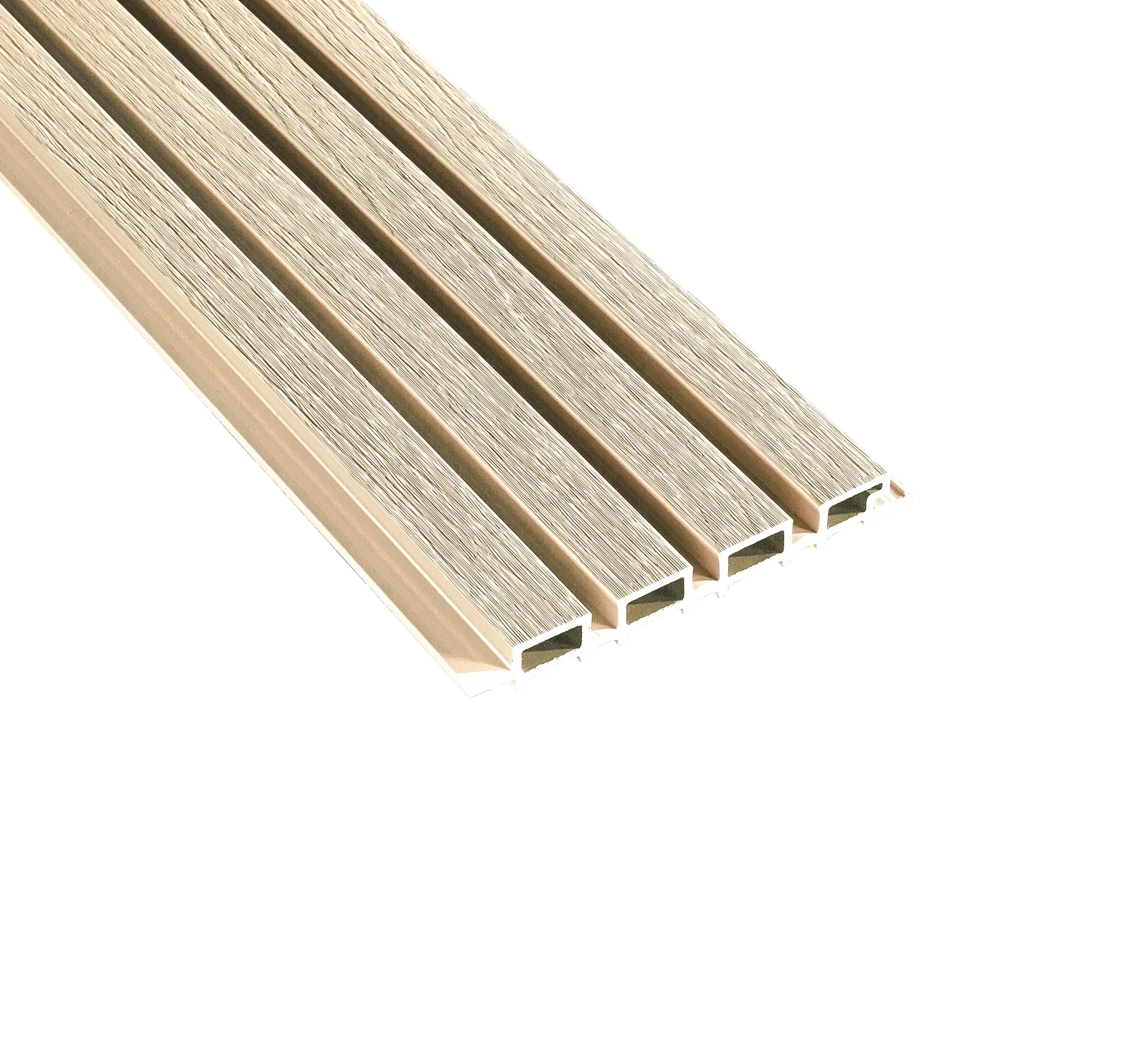
Tasmanian Oak cladding can be supplied in a choice of popular profiles to suit the look you are after — from crisp shiplap and tongue-and-groove boards that create clean, contemporary shadowlines, through splayed weatherboard and board-on-board profiles for a more traditional feel, to square-edge and channel profiles for a modern, linear aesthetic. Cover width has a big impact on the finished look: narrower boards read as fine and detailed, while wider boards give a bolder, more streamlined facade. Our team can talk through the options and help you choose the profile and width that best suit your design and budget. Grade is the other key choice. Cleaner, lower-feature grades give a calm, uniform appearance, while character or feature grades showcase the natural colour variation, grain and markings that make Tasmanian Oak distinctive. Because timber is a natural product, every board is unique, so we recommend reviewing a current sample or batch before committing to a large order. Tell us the profile, width and grade you are leaning towards and we will confirm what is available and provide samples where possible.
Get Your Free Quote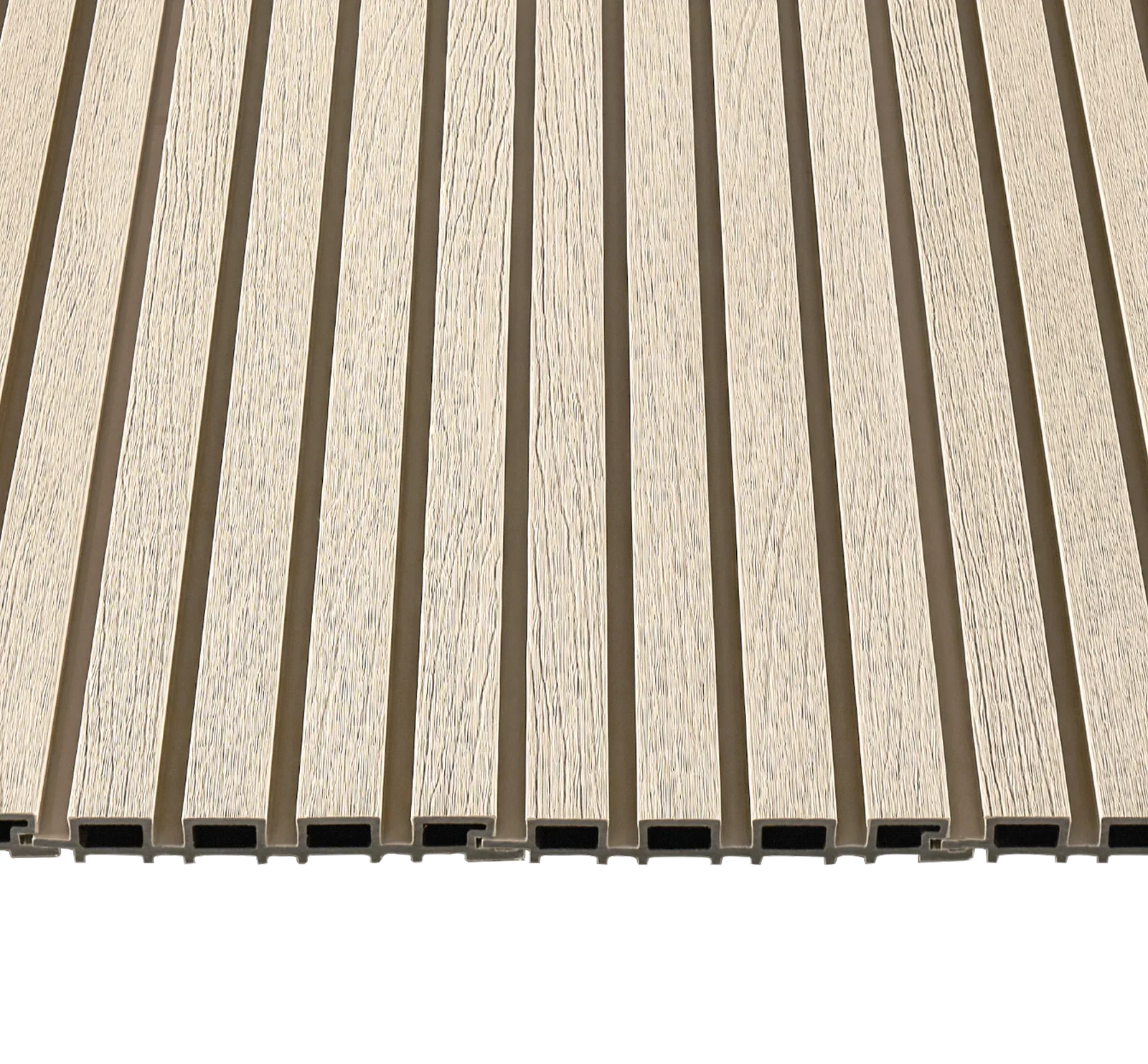
Working With and Maintaining Tasmanian Oak
Tasmanian Oak is easy to work with standard practice; it machines, glues, nails and screws well, making it ideal for precise lining and joinery. For internal lining, fix to battens or a suitable framework and finish with a quality interior coating or stain — its excellent staining qualities let you achieve almost any tone evenly. Because its natural durability is low, Tasmanian Oak is primarily an internal timber. It should not be used for fully exposed external cladding; any sheltered external use must be thoroughly coated on all faces and edges, detailed to shed water, kept off the ground and diligently maintained, and is still less robust than a naturally durable species. Treat for lyctid borer where required and seal cut ends. For exposed facades, choose Blackbutt, Spotted Gum or Southern Ash instead.
Get Your Free QuoteSustainable & Ethically Sourced
JVS Timber sources Tasmanian Oak from certified producers, including sustainably managed Tasmanian forests and plantations, and supplies product compliant with Australian industry standards. As a renewable native hardwood, it is a responsible choice for refined interiors. Specifying it for internal lining — its ideal application — ensures it achieves its full service life. FSC-certified options may be available on request.
Get Your Free Quote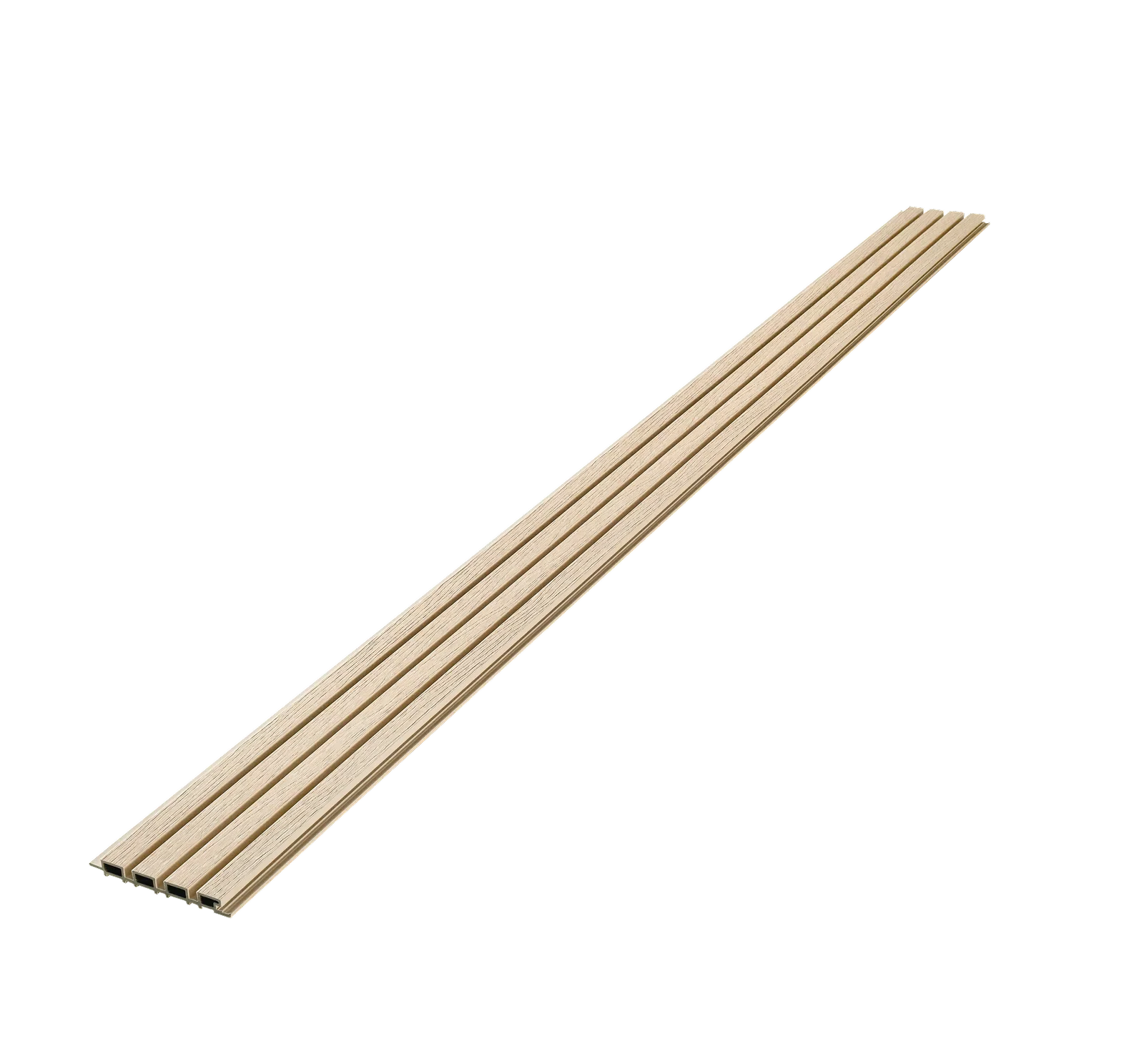
Tasmanian Oak Sizes & Availability
JVS Timber supplies Tasmanian Oak cladding and lining in a choice of profiles and grades, in a range of cover widths and lengths, with coordinating stair and joinery components available. Whether you need a feature-wall quantity or a larger lining package, our team can confirm current stock, profiles, sizes and competitive trade pricing, delivered Australia-wide.
Get Your Free Quote